Dental Implants • Full-Arch • All-on-X
Tired of Missing, Failing Teeth or Loose Dentures?
Discover whether dental implants or Full-Arch treatment could help you eat, smile and feel confident again.
At Randolph Family Dental in Schertz, Dr. Vardeman looks at your mouth, your health and your budget, then lays out the path that actually fits your life.
Personalized Implant Care
Schertz, TX
Financing Options Available
4.5 from 247+ Google reviews
Advanced implant training
Financing available
Sedation for anxious patients

You're not the only one
If you've been putting this off, we understand why
Maybe you've started covering your mouth in photos, or you order the soft thing on the menu without thinking about it anymore.
Maybe your denture shifts when you talk, and you've quietly stopped eating in front of people. Maybe it's been years since a dental visit — because of fear, because of cost, because life kept happening.
None of that makes you a difficult patient. It makes you a normal one.
Whatever brought you here, there's a path forward that fits your life and your budget.
Your options
Four ways we replace teeth — and who each one is for
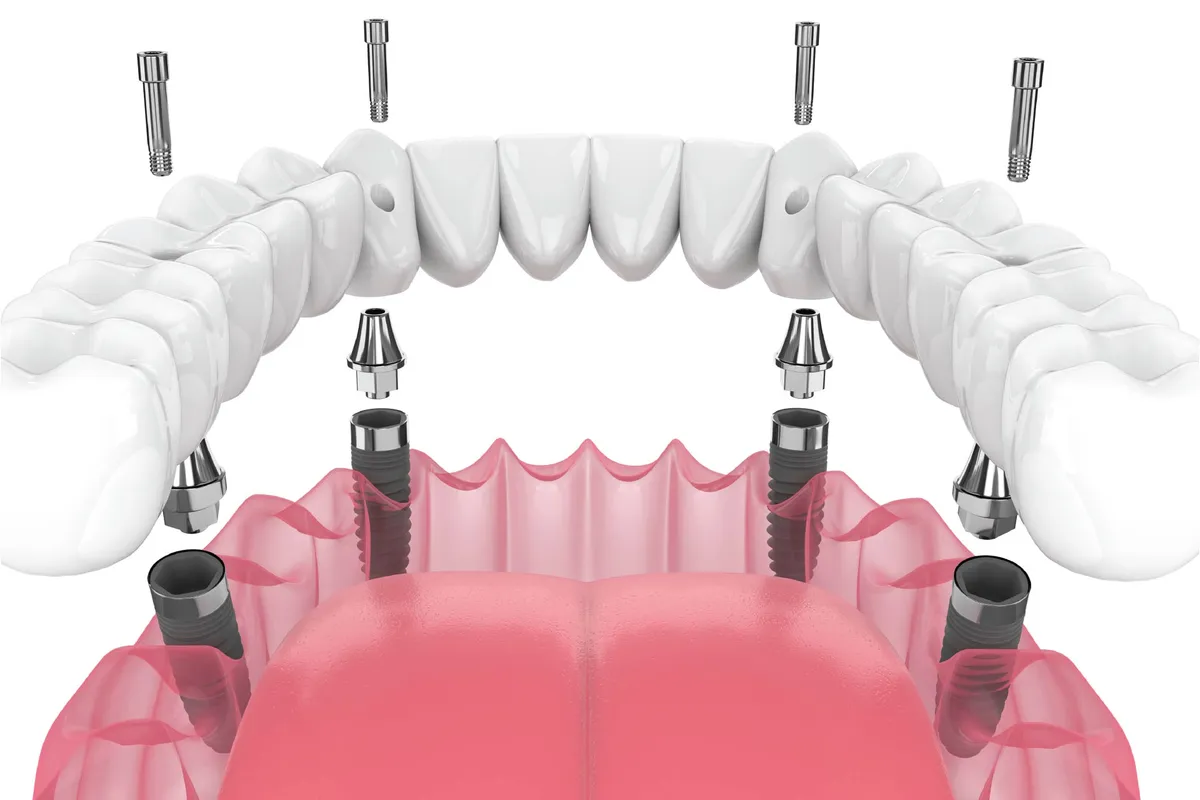
Full-Arch / All-on-X
For a whole upper or lower arch of failing, loose or missing teeth.
A full set of teeth secured to a small number of implants
Stays in your mouth — you brush it, you don't soak it
Often planned and placed in a coordinated set of visits
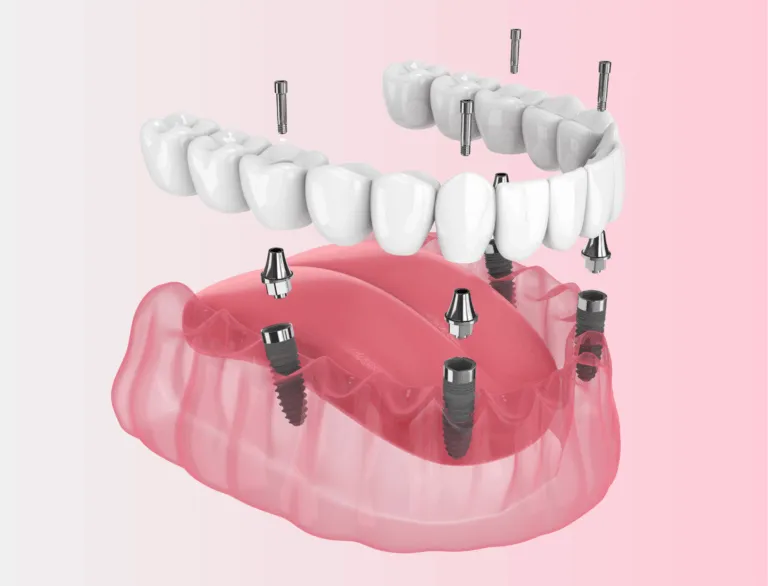
Full-Arch / All-on-X
For a whole upper or lower arch of failing, loose or missing teeth.
A full set of teeth secured to a small number of implants
Stays in your mouth — you brush it, you don't soak it
Often planned and placed in a coordinated set of visits
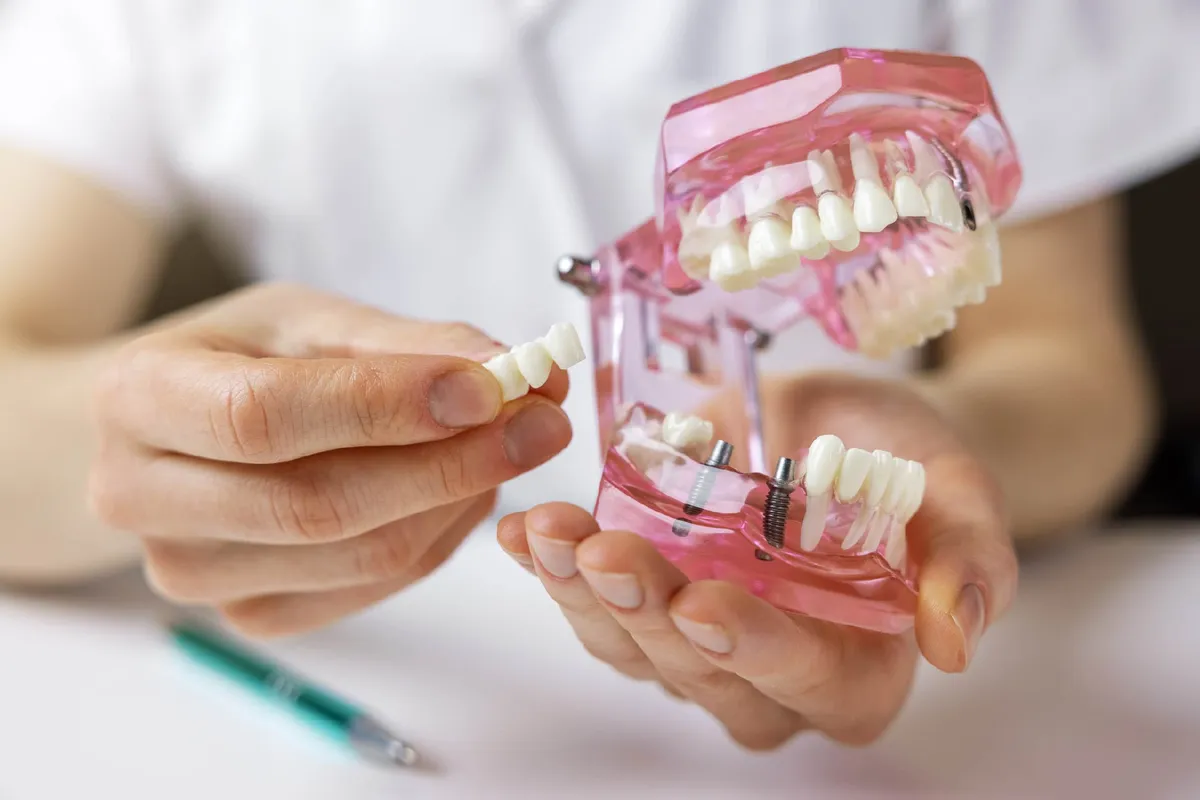
Multiple Implants / Bridge
For several missing teeth in a row, or gaps on both sides of your mouth.
A few implants can support several replacement teeth
Steadier than a removable partial you take in and out
Chewing pressure spreads out the way it should
Implant-Supported Dentures
For denture wearers who are tired of slipping, sore spots and adhesive.
Snaps onto implants instead of resting on your gums
No more paste, and far less rubbing
You can bite into food again without planning around it
Implant-Supported Dentures
For denture wearers who are tired of slipping, sore spots and adhesive.
Snaps onto implants instead of resting on your gums
No more paste, and far less rubbing
You can bite into food again without planning around it
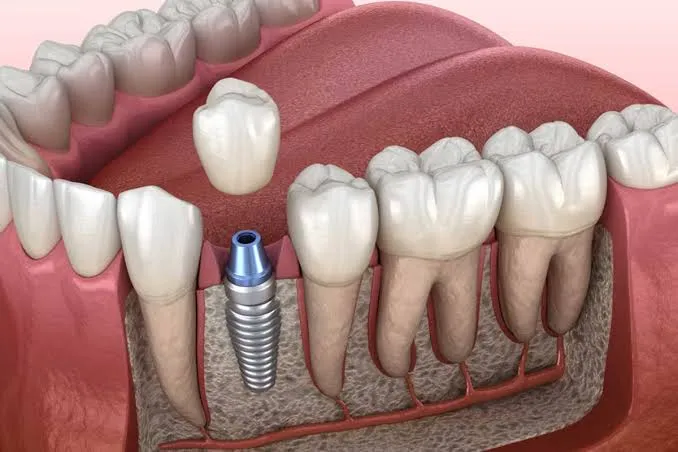
Single Tooth Implants
For one missing or badly broken tooth you'd rather not cover with a bridge.
Replaces the root, so the neighboring healthy teeth are left alone
Looks and chews like the tooth that was there
Helps keep the jawbone in that spot from shrinking
Real cases
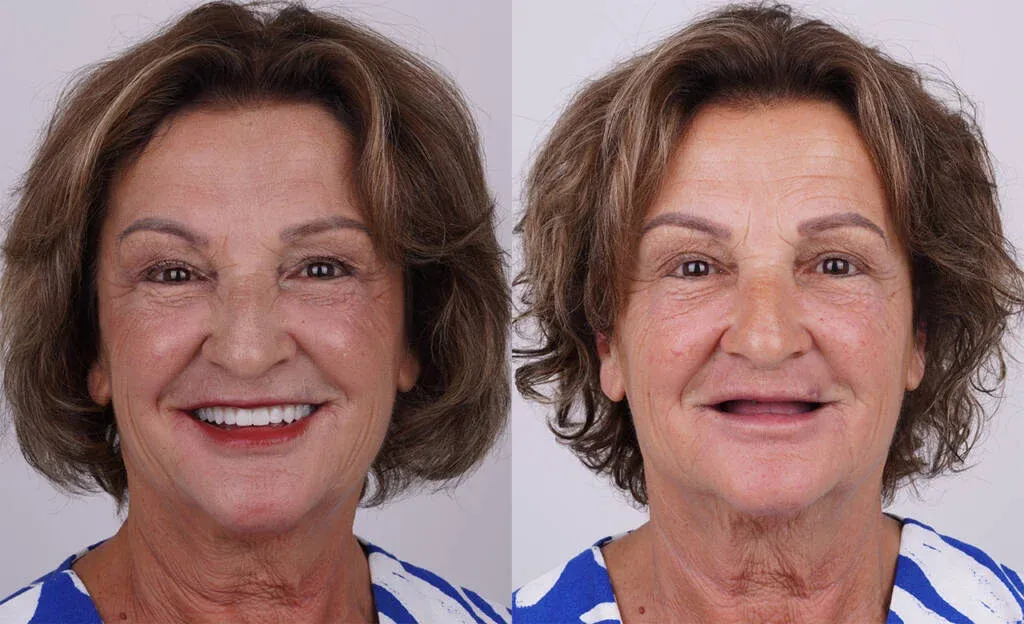
Before & after
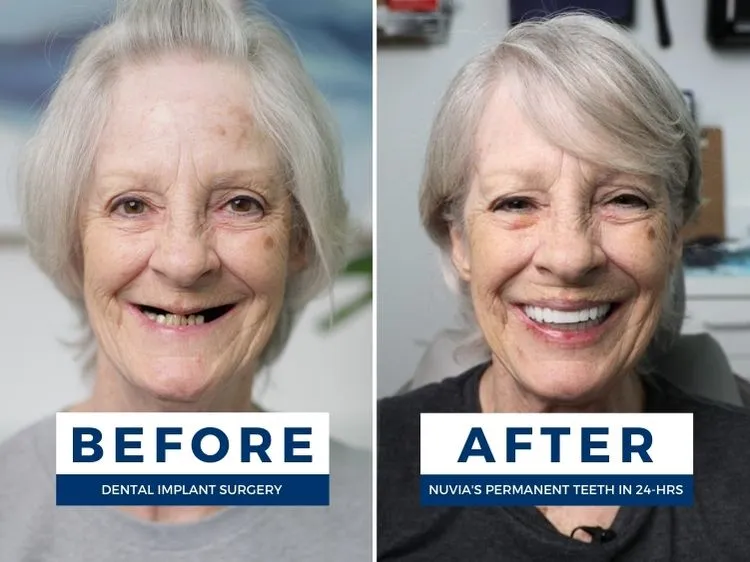
We only show our own patients' photos here, with their written permission.


Full-Arch restoration


Single implant crown
Full-Arch / All-on-X
A full set of teeth that stays put
Full-arch treatment replaces an entire upper or lower row of teeth with a bridge secured to a small number of implants placed in your jaw.
Who it's for
People with most of an arch failing, loose or already gone — including long-time denture wearers.
The timeline
Planning and imaging first, then placement, then a healing stretch of a few months before your final teeth are fitted.
How it differs from a denture
It doesn't rest on your gums or need adhesive. You brush it in your mouth instead of taking it out at night.
Recovery, plainly
Expect swelling and soreness for several days and a soft-food period while things settle. We stay in touch through all of it.
Implant-supported dentures
If your denture has never
quite felt right
Traditional denture
Rests on the gums, held by suction or adhesive
Can shift or click while you eat and talk
Sore spots are common as the ridge changes shape
Crunchy and chewy foods often stay off the menu
Needs relines and refitting over the years
Implant-supported denture
Attaches to implants anchored in your jaw
Stays where you put it while you eat and talk
Far less rubbing, and no adhesive to reapply
Most patients bite into food normally again
Helps slow the bone loss that reshapes your jaw
Failing or damaged teeth
"My teeth are failing and I don't know what to do"
Loose teeth, repeated infections, old crowns giving out, pieces breaking off while you eat — when it's all happening at once, it's hard to know where to even begin.
Start with an honest look. Dr. Vardeman will tell you what can still be saved and what is better replaced, and she'll say it kindly.
No one here is going to lecture you about how it got this way. Almost every mouth we see has a path forward, no matter how bad it feels right now.
How it works
Five steps, starting with a
few questions
1
Share your situation
Answer a few short questions about your teeth, your goals and your timeline.
2
Get matched to likely options
We narrow it down to the implant options that generally fit situations like yours.
3
Book your consultation
Pick a time at our Schertz office that works around your week.
4
Meet Dr. Vardeman
A personalized exam, images if needed, and honest answers to your questions.
5
Receive your treatment plan
Your options, the sequence of visits and the real cost, in writing.
Planning ranges
What implant treatment generally costs
People deserve a number before they walk in the door. These are the ranges we typically see.
Single implant
$3,000–$5,500 per tooth
Multiple implants / bridge
$6,000–$12,000+
Implant-supported dentures
$8,000–$15,000+
Full-Arch / All-on-X
$15,000–$30,000+ per arch
Full mouth (both arches)
$35,000–$60,000
These are general planning ranges for educational purposes only and are not a quoted or confirmed treatment fee. Your exact cost depends on your specific case and will be reviewed in your personalized consultation.
Paying for it
Payment plans. Treatment can often be staged and paid over time rather than all at once.
Third-party financing. Monthly plans through outside lenders, including options with low or no interest for qualifying patients.
Insurance benefits. Many plans cover part of implant or restorative work. We'll check your benefits and tell you what they actually cover before you commit.
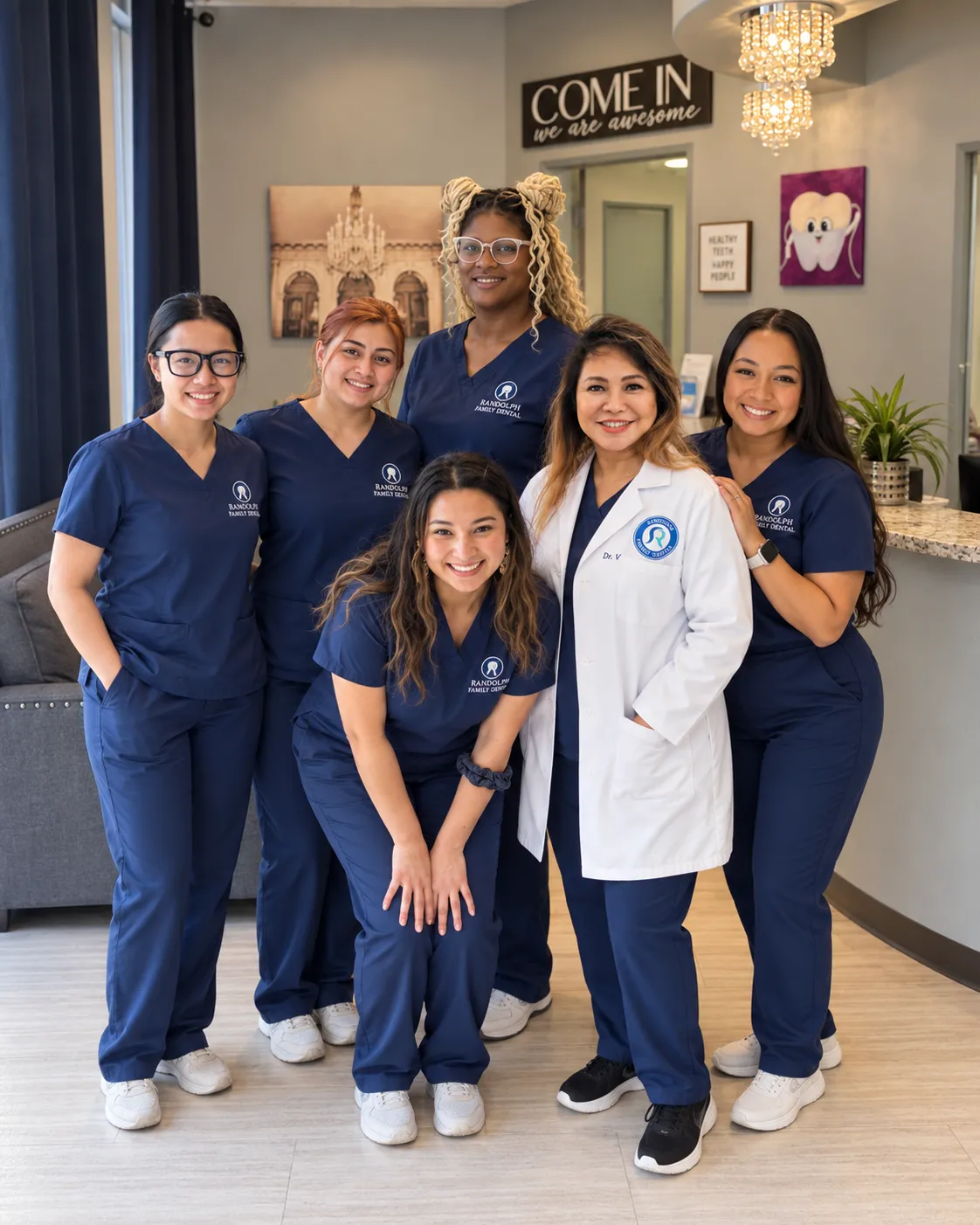
Meet your dentist
Dr. Fortuna Vardeman, DDS
Dr. Vardeman has spent her career caring for Schertz families across restorative, cosmetic, periodontal and implant dentistry, with sedation available for patients who need it.
She's known for sitting down and explaining things in plain words — what she sees, what she'd do, and what she'd wait on. Patients who arrive embarrassed about the state of their teeth tend to leave relieved that someone finally gave them a straight answer.
She keeps her implant training current and uses modern imaging and planning tools so the treatment is designed around your anatomy, not a template.
Implant training
University of Texas Health Science Center Implant Preceptorship Program
Zimmer Implant training
OCO Biomedical advanced courses
Implant Direct advanced courses
In their words
What our patients say
Questions
Answers before you call
Still unsure about something? Call us at (210) 658-9031.
Our front desk is happy to talk it through.
Should I get implants or dentures?
It depends on how many teeth are involved, your bone and gum health and what bothers you most day to day. Implants stay in place and don't cover the roof of your mouth; traditional dentures cost less up front but move more and usually need adjusting over time. Many patients land somewhere in between with an implant-supported denture.
How much do dental implants cost?
A single implant tooth generally runs $3,000–$5,500, and full-arch treatment generally runs $15,000–$30,000+ per arch. Those are planning ranges, not quotes — extractions, bone grafting and the type of final teeth all change the number. You'll get a written figure after your consultation.
Can implants replace the dentures I already wear?
Very often, yes. Some patients keep a denture they like and have it converted to snap onto implants; others move to a new implant-supported set. Bring your current denture to the consultation so Dr. Vardeman can see how it fits.
My teeth are failing. Is it too late for me?
No. Failing teeth are one of the most common reasons people come to us about implants, and there is almost always a path forward. Dr. Vardeman will tell you plainly what can be saved, what can't, and what your realistic options are.
Do I need enough jawbone for implants?
Implants need bone to hold onto, and bone does shrink after teeth are lost. If yours is thin, grafting or a different implant position can often solve it. Imaging at your visit shows exactly what you're working with.
Does the procedure hurt?
The placement itself is done with numbing, and sedation is available if you're anxious. Most patients describe the days afterward as soreness rather than sharp pain, managed with the instructions and medication we send you home with.
How long do implants last?
With good home care and regular checkups, the implant post itself can last decades. The crown or denture attached to it is the part that may need repair or replacement over the years, much like any other dental work.
What about financing and insurance?
We offer flexible in-office payment arrangements and work with third-party financing so treatment can be spread out monthly. We'll also check what your dental insurance contributes — some plans help with extractions or the restoration even when they limit implants.
How do I get started?
Answer the short set of questions on this page, or call us at (210) 658-9031. The next step is simply a consultation — no commitment to treatment.
Start here
See which Dental Implants fit your situation
Three steps then you can pick a consultation time. Nothing is diagnosed from a form — this just tells Dr. Vardeman what to prepare for before you arrive.
No pressure to decide anything today
Real answers about eating and comfort
Costs and payment options in writing
Randolph Family Dental
Dr. Fortuna Vardeman, DDS
Visit or call us
3900 FM 3009 STE 104
Schertz, TX 78154
(210) 658-9031
Monday–Thursday 8:00 AM–5:00 PM
Friday by appointment only
On this page
Dental Implants
Full-Arch / All-on-X
Implant-Supported Dentures
Meet Dr. Vardeman
Start your consultation
Find us in Schertz

© 2026 Randolph Family Dental. Information on this page is for education only and is not a diagnosis, treatment plan, or quoted fee. Designed by Digital Korbax LLC